Grand Hôtel Stockholm
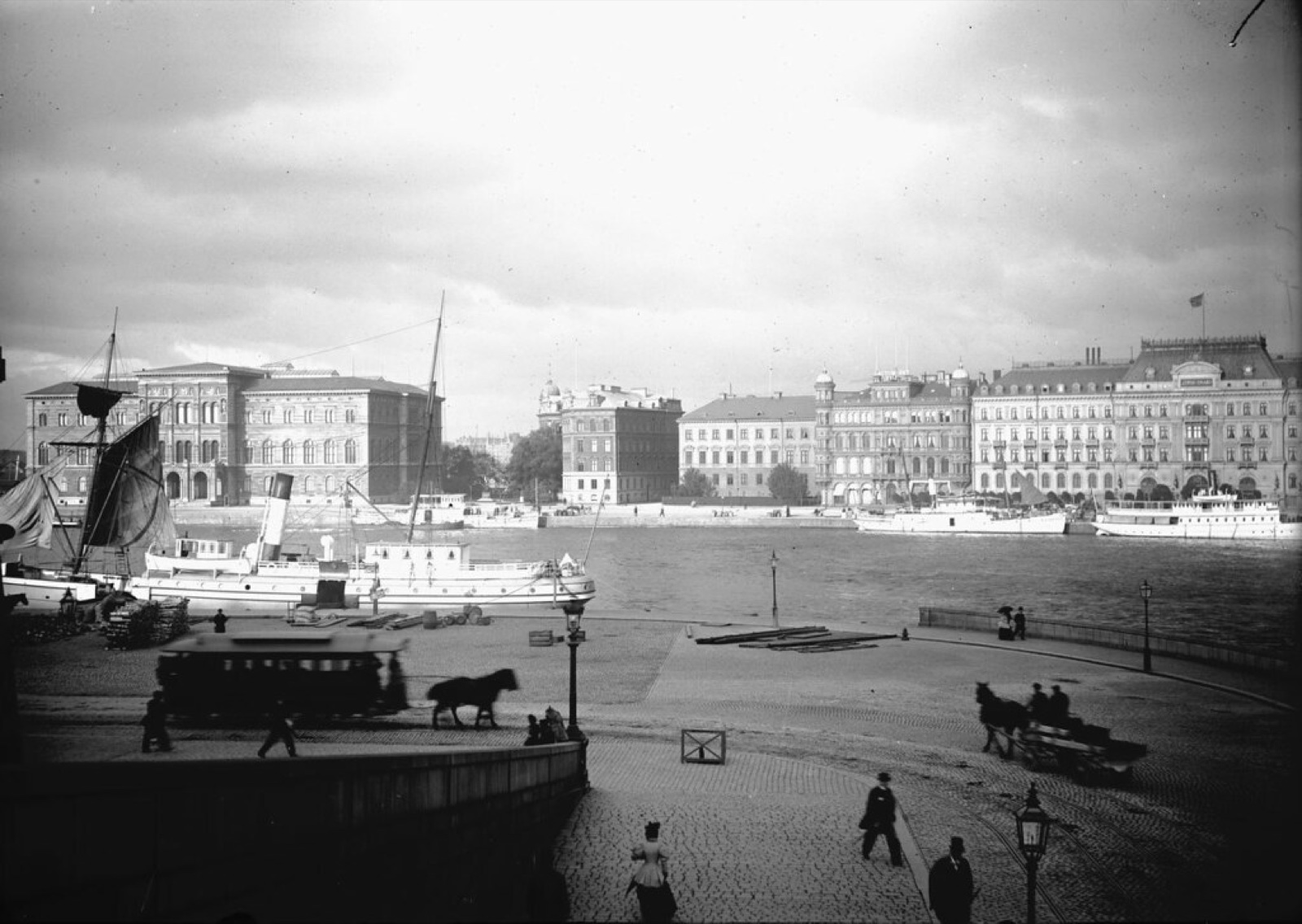
The Nobel laureates' hotel, on the quay opposite the Royal Palace. Rooms in the original 1874 building have the better views; the newer suites the better bathrooms. Cadier Bar is still where Stockholm gathers before dinner.
Sweden holds the North's most polished capital and its most theatrical countryside. Stockholm's grand hotels and archipelago restaurants meet Lapland's ice, iron and long summer dusk. Craft is everywhere; ostentation is not.


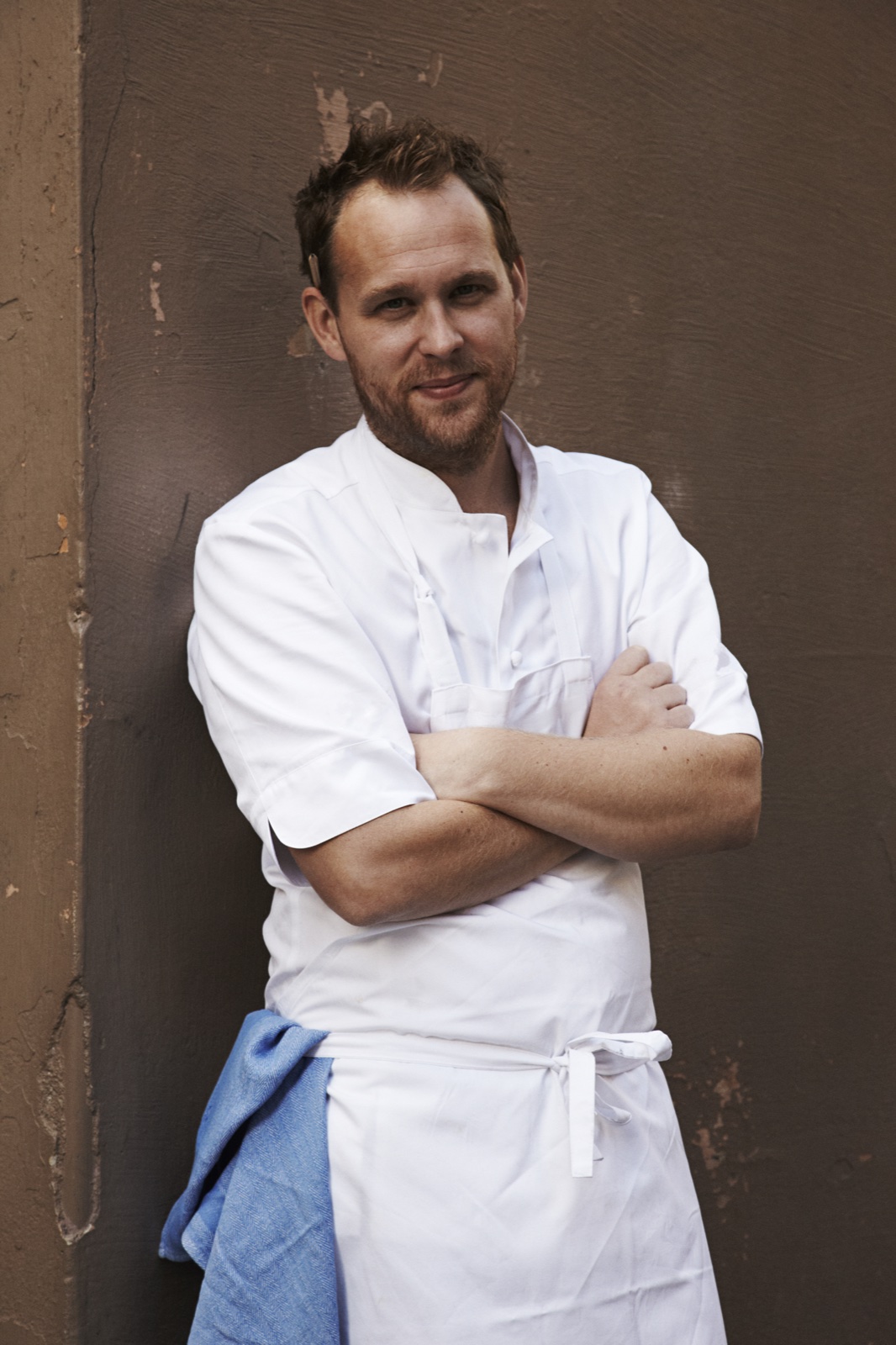
Björn Frantzén's three-star townhouse in Norrmalm: Sweden's only three-Michelin-star restaurant, and one of the most ambitious dining rooms in Europe. The evening opens with drinks and canapés in a lounge, then moves upstairs to the main room, where the open kitchen and counter are the centre of the show. Book months ahead.

The Nobel laureates' hotel, on the quay opposite the Royal Palace. Rooms in the original 1874 building have the better views; the newer suites the better bathrooms. Cadier Bar is still where Stockholm gathers before dinner.
Ilse Crawford's Arts-and-Crafts townhouse in Lärkstaden, run as a private residence. No reception desk, no set menu. You eat what the kitchen is cooking, in the library, or in the walled garden. Widely, quietly, considered the best small hotel in Scandinavia.
A pair of late-seventeenth-century barracks on the island of Skeppsholmen, converted with Claesson Koivisto Rune's usual restraint. Ten minutes from the centre; feels an hour away. The pared-back rooms are its best argument.

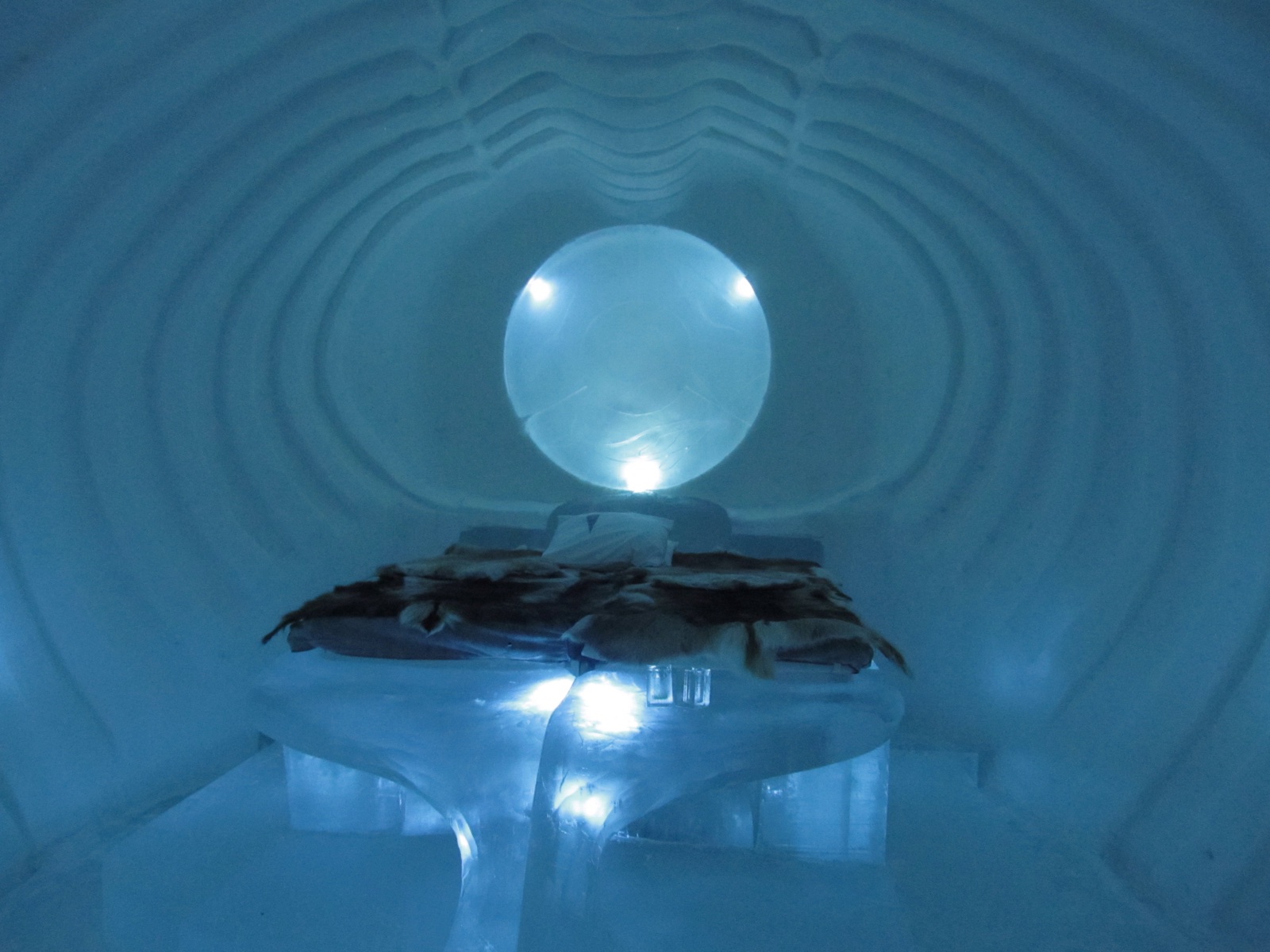
The original, rebuilt every winter from the Torne River, two hundred kilometres above the Arctic Circle. The Art Suites are commissioned annually from international artists; the neighbouring warm rooms mean you don't have to be brave twice.
A former limestone factory on a remote peninsula on Gotland's north coast, converted into a spare, extraordinary hotel. The setting (moon-white quarry, black sea) does most of the work; the kitchen does the rest.

Björn Frantzén's three-star townhouse in Norrmalm: Sweden's only three-Michelin-star restaurant, and one of the most ambitious dining rooms in Europe. The evening opens with drinks and canapés in a lounge, then moves upstairs to the main room, where the open kitchen and counter are the centre of the show. Book months ahead.
A tiny counter tucked into a nondescript suburban parade south of the city, in Älvsjö. Two Michelin stars, one seating, an obsessive tasting menu, and the kind of intimacy no city-centre dining room can match.
No gas, no electricity in the kitchen: the entire menu is cooked over birch fire, in cast iron and on a flaming juniper grill. A serious argument for Nordic food history, delivered without irony.

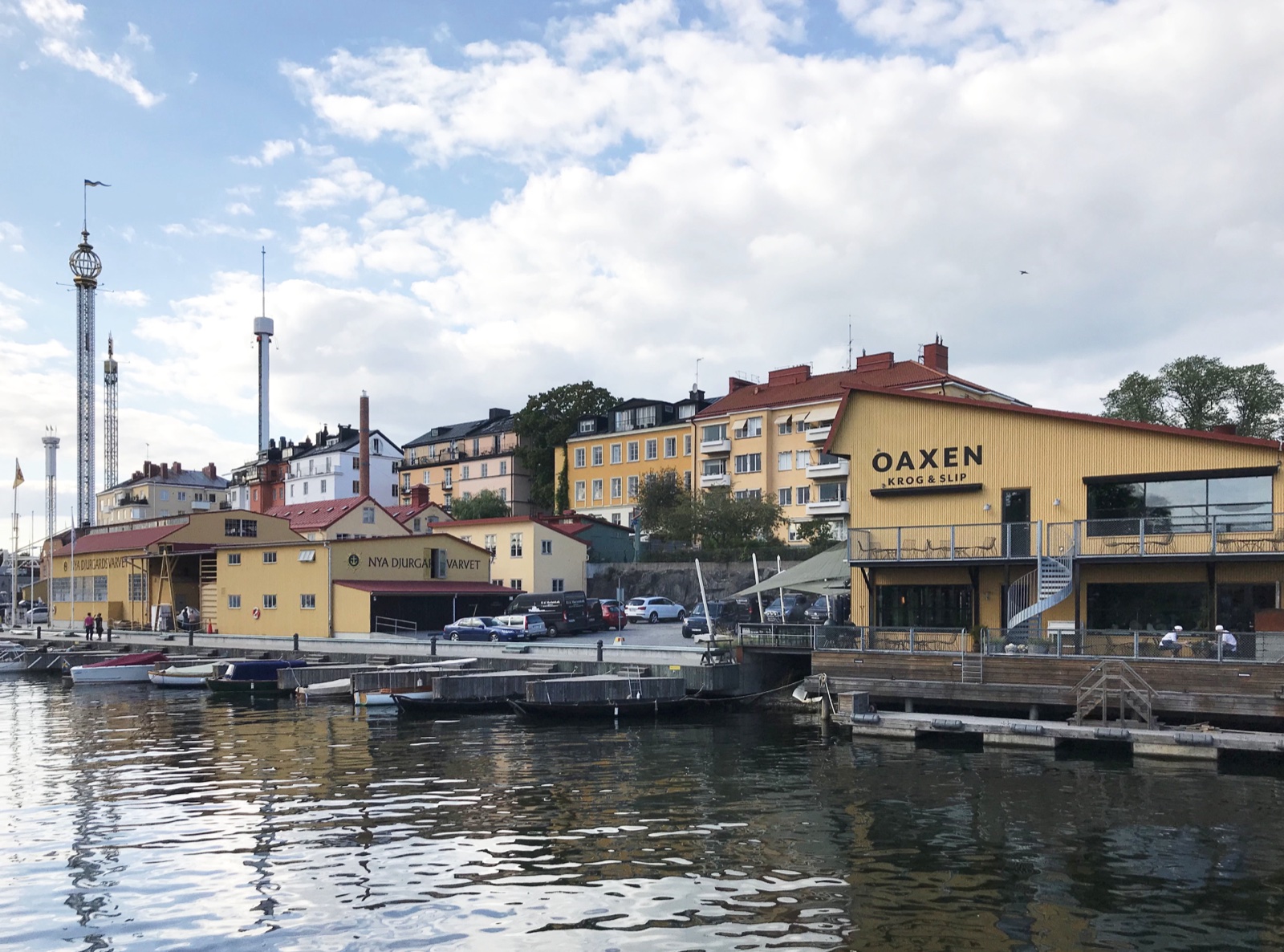
Magnus Ek's two-star waterfront dining room on Djurgården, cooking a long, deliberate tasting menu built almost entirely from Swedish producers. The adjoining Slip is the same kitchen's more relaxed sibling.
Tommy Myllymäki's two-Michelin-star pavilion on Djurgården, all glass and water. The kitchen combines Swedish ingredients with global technique; the wine list is one of the deepest in the city.